Key Takeaways
- CPR certifications are valid for 2 years—always check your expiration date.
- Online lookup tools exist for AHA, Red Cross, HSI/ASHI, and other providers—your credentials are likely accessible instantly.
- Lost your card? No problem. You can retrieve digital copies or request replacements from providers.
- Prevent lapses with proactive steps like calendar reminders, saving digital cards, and choosing renewal-friendly providers.
- Employer-friendly verification features (codes, QR, ID numbers) simplify compliance checks.
- SureFire CPR offers fast, convenient renewal options—including hybrid BLS classes, multiple locations, and same-day certification.
Have you already taken a CPR certification course but aren’t sure if it’s still active? With so many required certifications and tight deadlines, tracking your CPR status can fall through the cracks. That’s why performing a CPR certification lookup is essential and easy. This guide will walk you through exactly how to check your CPR certification status—whether you’re certified through American Heart Association, Red Cross, HSI, or another provider. We’ll also cover losing your CPR card, avoiding expired credentials, and effortless renewal with SureFire CPR.
Understanding Your CPR Certification
CPR training is not a “one and done” experience—it’s an engagement. Certifications from AHA, Red Cross, and other recognized bodies expire two years after issuance to align with guidelines updates and maintain competence. Without renewal, you risk working with outdated methods—something no medical professional or teacher should risk.
The Importance of Verifying Your Certification
Verifying your CPR status ensures you’re compliant and prepared. For healthcare workers, educators, and business leaders, a valid certification is often non-negotiable. Proactive verification avoids last-minute scheduling stress and reduces risk exposure for both individuals and employers. A lapse in certification can put your job at risk. Knowing exactly how long your certification will last is essential.
Step-by-Step Process: How to Do a CPR Certification Lookup
If you’re unsure whether your certification is active, it’s easy to find out. There are two main ways to check your CPR certification status: checking your certification paperwork and using an online Find My CPR Certificate tool.
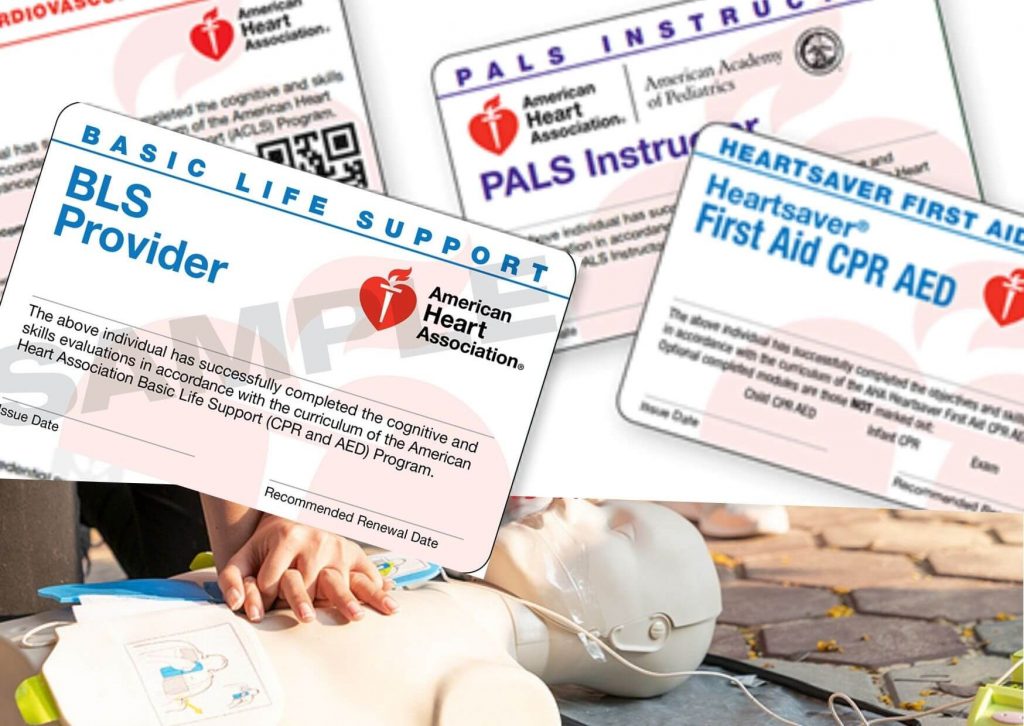
If you have the paperwork from your initial training course, you can check your certification card. The card will have a printed date or month that you can use to check your status. Remember, certification is valid for 2 years from the training, so if you know when you went to the CPR course, you can calculate your certification duration.
If you don’t have your training paperwork and aren’t sure when your class was, there’s also the option to check online. You can find a CPR card lookup by searching “find my CPR certification” or “check my CPR certification.”
- Identify your certifying provider—AHA, Red Cross, HSI, or other.
- Go to their lookup page—see the next section for direct links.
- Enter required information—name, email, certificate ID, or training date.
- Review your record—completion date, course details, and expiration status.
- Download or print your certificate, often available as PDFs or wallet cards.
- Save a backup, ideally in a dedicated “CPR Certifications” folder or mobile app.
CPR Card Lookup by Major Providers
American Heart Association
If you earned CPR certification from an American Heart Association provider, you can use their lookup and verification tool. Simply enter your name and email and the tool with search the AHA database for your records. If you have your card and want to verify your status, you can enter your e-card code.
Visit https://ecards.heart.org/student/myecards , select “Student,” and claim your eCard using your name, email, or code. Initial access also includes setting up a security question, completing a brief survey, then saving the PDF. Employers can verify using the “Employer” tab or QR code.
https://ecards.heart.org/student/myecards
HSI
Use the link below to look up an HSI certification. Just enter your first and last name, as well as the validation code on your card. Note that HSI can only validate certification cards earned after January 1st, 2022. If no record appears, contact your training center for help.
https://hsi.com/solutions/cpr-aed-first-aid-training/quality-assurance/student-card-validation
Red Cross
If you trained through a Red Cross CPR provider, you can use CPR certification lookup. On their site, you can search by email address or name and training date. If you know your certification ID, you can use the same page to check whether it’s active.
Go to Find My Certificate, searchable by your email, name/class date, or certificate ID. Digital certs stay in the system up to three years post-training, and include unique IDs/QR codes for verification. You can download, print, or order wallet cards (for a fee), just confirm the certification isn’t expired first.
https://www.redcross.org/take-a-class/digital-certificate
Other Providers
Many online providers offer simple lookup tools—typically requiring email or certificate IDs. If no tool exists, contact the issuing training center directly.
No matter which CPR certification lookup method you use, it takes just a few minutes. And, it could save you time and headaches down the line.
Common Mistakes to Avoid When Verifying Your CPR Certification
- Typos or nickname use prevents lookup—use your exact legal name, email, or ID.
- Wrong email may yield no results if you used a different one during training.
- Too-soon searches—systems like AHA can take 24–48 hours to update post-course
- Unclaimed eCards may disappear—AHA eCards must be claimed via email/text before disappearing
- Assuming access to expired records—Red Cross stores certs for up to three years; older ones might require renewal
- Skipping verification—regularly check (ideally at 18 months) to stay ahead.
Tips for Preventing Lapses in Certification
You’ve put in the time and energy to get certified––don’t let it go to waste. You can avoid a lapse in CPR certification by:
- Saving your certification paperwork.
- Marking your calendar.
- Checking your certification status.
- Booking a renewal course.
- Using a CPR company that provides email and text reminders.
What to Do If You’ve Lost Your Certification Card
Start by using the lookup tools discussed—digital copies often remain accessible even if the physical card is lost. Next, search your inbox—emails from AHA or Red Cross often include claim links. If that fails, contact your certifying training center to reissue a certified card. If records are lost and the cert has expired, taking a renewal class is likely the fastest, cleanest solution.
Preventing Lapses in CPR Certification
- Log expiration dates as soon as you’re certified.
- Safeguard digital backups (eCard PDFs, screenshots, wallet-sized prints).
- Enroll in reminder services—most providers, including SureFire CPR, offer notifications.
- Complete mid-cycle refreshers via reputable apps or short courses.
- Renew early, as many organizations allow up to six months before expiration.
- Coordinate related certifications—CPR, BLS, ACLS renewals together minimize tracking.
Renew Your CPR Certification with SureFire CPR
Maintain your certification with a CPR Renewal course from SureFire CPR. We offer convenient CPR renewal classes that make it easy to keep your certification active.
If you haven’t already been certified, there’s no better place to start your CPR journey. We offer CPR and AED certification courses for medical professionals and civilians alike. Anyone who wants to get CPR certified can do so at SureFire CPR.
Sign up for a course today or contact us with any questions. We’re here to help! Ready to get started? Check out our CPR Guide to start learning now.
- Hybrid BLS Online lets you complete theory on your schedule, then attend a short in-person skills session.
- Quick, targeted training in 2–3 hours, with same-day certification.
- Multiple locations and flexible timings nationwide, including evening and weekend options.
- Expert-led classes, focusing on real-world scenarios, delivered by paramedics, nurses, and EMTs.
- Post-training support includes certification reminders and help with employer verification.
- Our community values our smooth renewal process: setup is easy, and instructors answer all follow-up questions promptly.
A CPR certification lookup only takes minutes but ensures your preparedness, compliance, and peace of mind. Verifying and acting on your cert status means you’re ready to respond when it matters most. If you’re nearing or past expiration, SureFire CPR offers an efficient, flexible, and expert-based path to renewal.
Frequently Asked Questions (FAQs)
- How do I check if my CPR certification is still valid?
Look for the expiration date on your physical or digital card. If unsure, perform a provider lookup using name, email, certificate ID, or training date. No record or status is expired? Time to renew. - Can I look up my CPR certification online?
Yes—most providers have lookup tools: Red Cross, AHA eCards, HSI validation, and more. - What if I lost my CPR card or ID number?
Search your provider’s lookup tool using personal details, or contact your training center to obtain a replacement. - How do I claim my AHA CPR eCard?
Visit heart.org/CPR/mycards, enter your name/email or code, answer a security question, complete a course survey, and download your eCard. Claim links may arrive via email from ecards@heart.org or by texting “eCard” to 51736 - Does the American Red Cross offer CPR card lookup?
Yes—use the Find My Certificate page to search by email, name/date, or ID. Results include digital certs with QR codes valid for up to three years - Can employers verify CPR certifications online?
Absolutely. Employers can use IDs or QR codes via AHA or Red Cross sites—batch verification is available on the AHA Employer portal. No app necessary; scanning with a phone works too - Can I renew CPR certification fully online?
No—online theory must be paired with a hands-on skills test. Many employers will reject online only training. SureFire CPR’s Hybrid BLS Online combines these for efficiency. - How often do I need to renew my CPR certification?
Every two years. Many professionals also do annual refreshers to stay sharp. - What’s the difference between CPR certification and BLS certification?
BLS certification stands for “Basic Life Support” and is the healthcare provider equivalent of CPR training. It is more advanced than layperson CPR training because healthcare providers are more likely to use these skills.